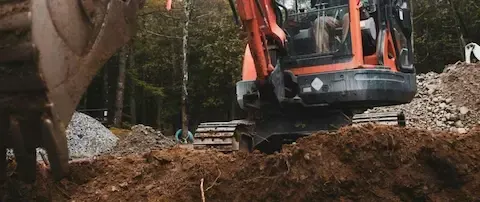
Land Clearing Suffolk VA: Grading and Site Prep Guide
When you're planning new construction or major landscaping projects in Suffolk, Virginia, proper land clearing and site preparation form the foundation of your success. The process involves much more than simply removing trees and brush – it requires careful planning, precise grading, and thorough site preparation to ensure your project meets local regulations and performs well over time.
Understanding Land Clearing Requirements in Suffolk
Land clearing in Suffolk involves multiple phases that must be completed in the correct sequence. The initial assessment determines what vegetation, structures, and debris need removal, while soil testing reveals drainage patterns and composition issues that affect your project's design. You'll need to identify utility lines, obtain proper permits from Suffolk's planning department, and understand setback requirements that vary by zoning district.
The city requires specific erosion control measures during clearing operations, particularly for properties near waterways or environmentally sensitive areas. Suffolk's proximity to the Great Dismal Swamp and numerous waterways means many properties have wetland considerations that impact clearing boundaries and methods. Professional Grading & Land Clearing services understand these local requirements and can navigate the permitting process efficiently.
Timing plays a crucial role in Suffolk land clearing projects. The region's climate allows for year-round work, but spring and fall offer optimal conditions for both clearing operations and establishing new vegetation. Summer heat can stress newly planted areas, while winter work may face delays from occasional freezing conditions or excessive moisture from coastal storms.
Site Assessment and Planning Process
Before any equipment touches your property, a comprehensive site assessment identifies all factors that influence your clearing strategy. Topographical surveys reveal elevation changes, drainage patterns, and natural water flow that determine grading requirements. Soil composition testing shows whether you're dealing with Suffolk's characteristic sandy loam, clay deposits, or areas with high organic content that require special handling.
Underground utilities present significant safety and cost considerations. Suffolk properties often have complex utility layouts, including water, sewer, gas, electrical, and increasingly common fiber optic lines. Professional utility marking prevents costly damages and dangerous situations during clearing operations. Some properties also contain abandoned septic systems, old wells, or underground storage tanks that require special removal procedures.
Environmental factors unique to Suffolk include potential archaeological sites, protected tree species, and habitat areas for local wildlife. The Virginia Department of Environmental Quality may require environmental impact assessments for larger clearing projects, particularly those affecting more than one acre or located near sensitive ecosystems.
Property boundary verification prevents disputes and ensures clearing stays within legal limits. Suffolk's mix of older subdivisions with informal boundaries and newer developments with precise surveys means boundary confirmation is essential before beginning work.
Brush Removal and Vegetation Management
Suffolk's diverse vegetation requires different removal approaches depending on species, size, and intended land use after clearing. Dense underbrush common in wooded areas needs mechanical removal using brush cutters and mulching equipment that can process material on-site. This approach reduces hauling costs and provides organic matter that can improve soil structure when properly incorporated.
Invasive species management often becomes part of the clearing process. Suffolk properties frequently contain invasive vines, shrubs, and trees that require specific removal methods to prevent regrowth. Some species need chemical treatment of root systems, while others require complete excavation to eliminate spreading root networks.
Selective clearing preserves valuable trees while removing unwanted vegetation. This approach requires skilled operators who can navigate around keeper trees without damaging root systems or bark. Suffolk's mature oak, pine, and cypress trees add significant property value when preserved and incorporated into new landscaping designs.
Debris management varies based on material type and local regulations. Organic debris can be chipped for mulch, burned in designated areas with proper permits, or hauled to approved disposal sites. Suffolk allows controlled burns under specific conditions, but requires permits and favorable weather conditions that may not align with project timelines.
Stump Removal and Root System Management
Complete stump removal ensures your site is ready for construction or landscaping without future settling issues. Suffolk's soil conditions allow for effective stump grinding in most areas, but properties with high clay content or standing water require special techniques to prevent equipment problems and ensure complete removal.
Stump grinding depth depends on your intended land use. Construction sites typically require grinding to 18-24 inches below grade to prevent interference with footings and utilities. Landscaping projects may only need surface-level removal, but deeper grinding prevents regrowth and eliminates tripping hazards.
Root system management extends beyond visible stumps to address spreading root networks that can interfere with utilities, foundations, and new plantings. Large trees often have root systems extending well beyond the drip line, requiring strategic excavation to prevent future problems. Some species, particularly willows and poplars common in Suffolk's wetter areas, produce aggressive root systems that need chemical treatment to prevent regrowth.
Backfilling stump holes with appropriate material prevents settling and drainage problems. The grinding process produces wood chips that decompose over time, potentially causing settling in construction areas. Proper backfilling uses screened soil or engineered fill that provides stable support for future improvements.
Grading and Drainage Considerations
Proper grading creates the foundation for successful construction and landscaping while managing water flow to prevent erosion and flooding issues. Suffolk's relatively flat topography with periodic low-lying areas requires careful attention to drainage design that accounts for seasonal water table fluctuations and storm water management.
Rough grading establishes basic site contours and major drainage patterns using heavy equipment to move large quantities of soil efficiently. This phase removes high spots, fills low areas, and creates the general slope patterns that direct water away from structures and toward appropriate drainage outlets. Suffolk properties often require import or export of soil to achieve proper grades, particularly in areas with existing drainage problems.
Fine grading creates precise elevations and smooth surfaces for construction or landscaping installation. This detailed work requires careful attention to specifications and frequent elevation checks to ensure proper drainage and compliance with building plans. Areas designated for concrete work need compaction testing to verify soil stability meets engineering requirements.
Drainage system installation often occurs during grading operations to ensure proper integration with site contours. French drains, retention basins, and drainage swales work most effectively when incorporated into the grading plan rather than added as afterthoughts. Suffolk's periodic heavy rainfall from coastal storms makes robust drainage systems essential for long-term site performance.
Soil Preparation and Amendments
Suffolk's soil conditions vary significantly across the city, requiring different preparation approaches for optimal results. Sandy soils common in eastern areas drain well but may need organic matter additions to support healthy plant growth and provide adequate water retention. Clay-heavy soils in some western areas require amendments to improve drainage and prevent compaction issues.
Soil testing reveals pH levels, nutrient content, and any contamination issues that affect plant growth and construction considerations. Suffolk properties near industrial areas or older developments may have contaminated soil requiring special handling or replacement. Testing also identifies naturally occurring conditions like high salt content from coastal influences that impact plant selection and irrigation planning.
Compaction issues often result from clearing operations using heavy equipment on wet soils. Proper soil preparation includes decompaction techniques that restore natural soil structure and porosity essential for plant root development and water infiltration. Areas intended for lawns and landscaping need particular attention to compaction relief to ensure successful establishment.
Organic matter incorporation improves soil structure and provides long-term benefits for plant health. Clearing operations can provide some organic material through mulching, but additional compost or aged manure applications often benefit final site preparation. The timing of organic matter incorporation affects decomposition rates and nutrient availability for new plantings.
Equipment Selection and Site Access
Equipment selection depends on site conditions, access limitations, and specific project requirements. Suffolk properties range from spacious rural lots with excellent access to constrained urban sites requiring specialized compact equipment. Wet conditions common in low-lying areas may require tracked equipment or temporary access improvements to prevent site damage.
Access route planning protects existing improvements and ensures efficient operations. Heavy equipment can damage driveways, utilities, and neighboring properties without proper planning and protection measures. Some Suffolk neighborhoods have restrictive covenants limiting equipment size or operating hours that must be considered during project planning.
Utility protection requires coordination with local providers and careful equipment operation near marked lines. Suffolk's underground utilities include aging infrastructure that may not be precisely located, requiring hand digging for verification in sensitive areas. Temporary utility relocations sometimes become necessary for major clearing operations.
Weather contingency planning accounts for Suffolk's variable conditions that can halt operations or create safety hazards. Coastal storms can bring high winds and heavy rainfall that make tree removal dangerous and create muddy conditions unsuitable for heavy equipment. Flexible scheduling allows projects to progress safely while minimizing delays.
Erosion Control and Environmental Protection
Erosion control measures protect both your property and surrounding areas during and after clearing operations. Suffolk's regulations require specific erosion control practices for projects over certain sizes, particularly those near waterways or in environmentally sensitive areas. Silt fencing, hay bales, and temporary vegetation establish immediate protection while permanent solutions develop.
Sediment management prevents soil loss and protects water quality in Suffolk's numerous streams, ponds, and wetland areas. Properly installed sediment barriers capture soil particles before they reach water bodies, while staged clearing limits exposed areas during active construction phases. Regular maintenance of erosion control measures ensures continued effectiveness throughout the project duration.
Vegetation establishment provides long-term erosion protection and site stabilization. Fast-growing cover crops can provide temporary protection while permanent landscaping develops, but species selection must account for Suffolk's climate and soil conditions. Native plant species often provide superior erosion control and require less maintenance than non-native alternatives.
Water quality protection extends beyond immediate erosion control to include proper handling of fuels, lubricants, and other materials used during clearing operations. Suffolk's proximity to sensitive waterways means contamination prevention is crucial for both environmental and regulatory compliance.
Local Regulations and Permit Requirements
Suffolk's permitting requirements vary based on project scope, location, and environmental factors. Clearing permits may be required for properties over certain acreage or those containing protected features like significant trees or wetland areas. The city's planning department can provide specific guidance for your property and intended use.
Tree preservation ordinances protect significant trees and may require mitigation measures for unavoidable removals. Suffolk has specific protections for certain species and size thresholds that trigger preservation requirements. Understanding these regulations during planning prevents costly delays or design changes during implementation.
Environmental compliance includes federal, state, and local regulations that may apply to your project. Wetland delineation, endangered species habitat assessments, and archaeological surveys may be required depending on property characteristics and project scope. Early identification of these requirements prevents project delays and ensures proper compliance.
Building permit coordination ensures clearing operations align with overall construction plans and local building codes. Some clearing activities may need to wait for building permit approval to ensure proper coordination with utility installations, stormwater management, and other construction requirements.
Cost Factors and Project Planning
Land clearing costs in Suffolk depend on numerous factors including site size, vegetation density, soil conditions, and disposal requirements. Dense forests with large trees cost more to clear than open fields with scattered brush, while sites requiring extensive grading or special erosion control measures add additional expenses. Access difficulties and utility complications can significantly impact project costs.
Seasonal considerations affect both pricing and scheduling availability. Peak construction seasons may increase costs and limit contractor availability, while slower periods often offer better pricing and more flexible scheduling. Weather-related delays during Suffolk's storm season can extend project timelines and increase costs if not properly planned.
Value engineering opportunities may reduce costs without compromising project goals. Selective clearing preserves valuable features while reducing removal costs, and on-site material processing can eliminate hauling expenses for organic debris. Coordinating clearing with other site work can achieve economies of scale and reduce overall project costs.
Long-term maintenance considerations affect total project costs beyond initial clearing operations. Proper site preparation reduces future maintenance requirements and prevents costly problems like drainage issues or erosion damage. Investing in quality initial work often proves more economical than addressing problems after project completion.
Professional Services and Project Management
Professional land clearing services bring expertise, equipment, and insurance coverage that ensure safe and efficient project completion. Experienced contractors understand Suffolk's specific conditions and regulatory requirements, preventing costly mistakes and delays. They also carry appropriate insurance coverage protecting property owners from liability during clearing operations.
Project coordination becomes crucial for complex sites requiring multiple specialists or phased operations. Professional contractors can manage relationships with utility companies, regulatory agencies, and other contractors to ensure smooth project progression. They also understand how clearing operations integrate with subsequent construction or landscaping phases.
Quality control measures ensure work meets specifications and regulatory requirements. Professional contractors provide documentation of permits, inspections, and compliance measures that may be required for insurance, financing, or future property transfers. They also guarantee their work and can address any issues that arise after project completion.
Before finalizing your land clearing project, consider exploring our Suffolk lighting guide to understand how proper site preparation can enhance your future outdoor lighting installation and create the foundation for a comprehensive landscape design.
