Landscape Design Suffolk VA: Complete Homeowner Guide
Planning a landscape design project in Suffolk transforms your outdoor space into a beautiful, functional extension of your home. The unique climate and soil conditions of Coastal Virginia create specific opportunities and challenges that require thoughtful consideration of plant selection, drainage solutions, and seasonal maintenance requirements.
Understanding Suffolk's Landscape Design Environment
Suffolk's location in the Hampton Roads region presents distinct advantages for landscape design. The area's USDA hardiness zone 8a allows for an extensive variety of plants, from cold-hardy perennials to heat-tolerant shrubs. The region experiences humid subtropical conditions with mild winters and warm, humid summers.
Soil composition varies significantly across Suffolk properties, ranging from sandy coastal soils to clay-heavy areas inland. Many neighborhoods built on former agricultural land feature rich, loamy soil that supports vigorous plant growth. However, newer developments often contend with compacted clay subsoil that requires amendment for proper drainage and root development.
Coastal influence affects plant selection and design choices throughout the area. Salt tolerance becomes important for properties closer to the water, while inland locations focus more on humidity and heat stress management. Understanding these microclimates helps create sustainable landscape designs that thrive year-round.
Native plant communities in Suffolk include bald cypress, live oak, and longleaf pine as canopy species, with understory plants like beautyberry, spicebush, and native azaleas. Incorporating these species into residential landscape designs creates low-maintenance gardens that support local wildlife while reducing irrigation and fertilization needs.
Popular Landscape Design Styles for Suffolk Homes
Colonial revival landscapes complement Suffolk's historic architecture with formal boxwood hedges, symmetrical plantings, and classic perennial borders. These designs feature structured layouts with defined pathways, geometric garden beds, and traditional plant combinations like roses with lavender or hostas with ferns.
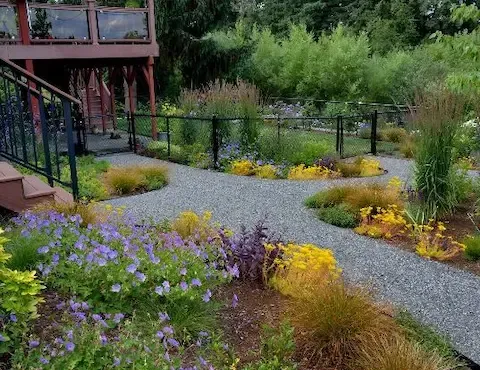
Coastal casual designs embrace the relaxed atmosphere of Hampton Roads living. These landscapes incorporate ornamental grasses, native wildflowers, and weathered hardscape materials. Design elements include curved pathways, naturalistic planting groups, and outdoor living spaces that blur the lines between indoor and outdoor entertainment areas.
Contemporary landscape designs focus on clean lines, architectural plant forms, and minimal maintenance requirements. Popular features include raised planters with sculptural plants, geometric water features, and outdoor lighting that highlights key design elements. These designs often incorporate sustainable practices like rain gardens and permeable paving materials.
Southern traditional landscapes celebrate the region's horticultural heritage with magnolias, camellias, and azaleas as focal points. These designs typically feature sweeping lawn areas, specimen trees, and seasonal color displays that change throughout the year. Wraparound porches and pergolas provide outdoor living spaces that connect seamlessly with planted areas.
Essential Plant Selection for Suffolk Landscapes
Tree selection forms the backbone of successful landscape designs in Suffolk. Southern live oak provides year-round structure and shade, while red maple offers spectacular fall color. Bald cypress thrives in wet areas, and crape myrtle delivers summer blooms with attractive bark for winter interest. Consider mature size and growth rate when positioning trees near structures or utility lines.
Shrub layers create privacy, define spaces, and provide seasonal interest throughout the year. Native azaleas bloom in early spring, followed by mountain laurel and rhododendrons. Summer-flowering options include butterfly bush, rose of sharon, and native beautyberry. Evergreen shrubs like holly, magnolia, and camellia maintain structure during winter months.
Perennial gardens extend blooming seasons and attract beneficial insects to Suffolk landscapes. Early spring bulbs like daffodils and tulips give way to summer perennials including black-eyed susan, purple coneflower, and bee balm. Fall-blooming asters and sedum carry color into the cooler months, while ornamental grasses provide texture and movement.
Ground cover selection addresses specific site conditions while reducing maintenance requirements. Pachysandra thrives in deep shade, while ajuga tolerates foot traffic in sunny areas. Native options like wild ginger and coral bells provide texture and seasonal interest while supporting local ecosystems.
Hardscape Elements and Outdoor Living Spaces
Pathway materials must withstand Suffolk's humid climate and occasional freeze-thaw cycles. Natural stone like flagstone or bluestone creates durable, attractive walkways that age gracefully. Brick pathways complement colonial architecture, while decomposed granite or gravel paths suit informal garden designs. Proper drainage and base preparation prevent settling and frost damage.
Patio and deck design extends living space outdoors for year-round enjoyment. Covered areas provide protection from summer sun and occasional rain, while fire pits and outdoor heaters extend the entertaining season into cooler months. Material choices include natural stone, stamped concrete, and composite decking that resists moisture and insect damage.
Water features add visual and auditory interest to Suffolk landscape designs. Fountains provide focal points while masking neighborhood noise. Ponds and water gardens support aquatic plants and wildlife, though mosquito control becomes important in humid climates. Rain gardens manage stormwater while creating unique planting opportunities for water-loving plants.
Outdoor lighting enhances safety and extends the usability of landscape spaces after dark. LED fixtures provide energy-efficient illumination for pathways, architectural features, and key plantings. Solar lighting options work well for accent lighting in areas without electrical access, though battery backup systems ensure reliable operation during cloudy periods.
Seasonal Considerations and Maintenance Planning
Spring preparation begins in February with pruning of summer-flowering shrubs and fertilization of established plantings. Soil preparation for new installations should account for Suffolk's clay soils, often requiring organic amendments to improve drainage and root penetration. This season offers ideal conditions for tree and shrub planting before summer heat stress.
Summer maintenance focuses on irrigation management and pest control in Suffolk's humid environment. Deep, infrequent watering encourages root development, while mulching reduces water loss and suppresses weeds. Disease pressure increases during humid periods, making proper plant spacing and air circulation critical for plant health.
Fall activities include leaf management, final fertilization of cool-season grasses, and preparation for winter protection. This season provides excellent conditions for transplanting established plants and installing new landscape beds. Proper cleanup reduces overwintering pest and disease problems while maintaining the landscape's appearance.
Winter protection may be necessary for marginally hardy plants during occasional cold snaps. Wrapping tender plants, mulching root zones, and protecting water features from freeze damage preserves landscape investments. Planning for next year's improvements and seasonal color displays begins during the dormant season.
Budget Planning and Project Phases
Comprehensive landscape design projects in Suffolk typically range from $15,000 to $75,000 depending on property size and complexity. Initial design consultation and master planning usually represents 10-15% of the total project budget, while installation costs vary based on hardscape complexity and plant maturity preferences.
Phased installation allows homeowners to spread costs over multiple seasons while ensuring proper establishment of each phase. Priority areas often include entryway improvements, privacy screening, and outdoor living spaces. Foundation plantings and major trees should be installed early in the process to allow time for establishment.
Cost-saving strategies include selecting smaller plants with longer establishment periods, incorporating more native species that require less ongoing maintenance, and timing projects during contractors' off-peak seasons. Landscape Design professionals can recommend approaches that maximize impact within specific budget constraints.
Long-term maintenance costs factor into overall project planning. Native plant selections and efficient irrigation systems reduce ongoing expenses, while proper soil preparation and plant selection minimize replacement costs. Regular maintenance programs preserve landscape investments and ensure continued property value enhancement.
Working with Suffolk Design Professionals
Selecting qualified landscape design professionals requires evaluation of experience, portfolio quality, and local knowledge. Look for designers familiar with Suffolk's specific growing conditions, municipal requirements, and neighborhood architectural styles. Professional credentials, insurance coverage, and client references indicate established, reliable service providers.
Design process typically begins with site analysis, client consultation, and concept development. Detailed drawings and plant specifications guide installation while ensuring clear communication between all project participants. Change orders during construction can significantly impact budgets, making thorough initial planning essential.
Permitting requirements in Suffolk may apply to certain landscape improvements, particularly those involving drainage modifications, tree removal, or significant grading changes. Professional designers understand local regulations and can navigate approval processes efficiently while ensuring compliance with homeowner association guidelines where applicable.
Project timeline coordination becomes critical during peak construction seasons. Spring installation periods often book early due to optimal planting conditions, while summer projects may face weather-related delays. Establishing realistic timelines with contingency planning ensures successful project completion.
Long-term Landscape Investment Value
Professional landscape design significantly impacts property values in Suffolk's competitive real estate market. Well-designed outdoor spaces extend functional living areas while creating attractive streetscape contributions that benefit entire neighborhoods. Mature plantings and established outdoor living areas particularly appeal to potential buyers.
Environmental benefits of thoughtful landscape design include stormwater management, air quality improvement, and wildlife habitat creation. Native plant selections support local ecosystems while reducing resource consumption through lower irrigation and fertilization requirements. These sustainable practices align with growing environmental awareness among Suffolk residents.
Personal enjoyment and lifestyle enhancement represent intangible benefits that motivate many landscape design investments. Outdoor entertaining spaces, private garden retreats, and year-round visual interest create daily pleasure for homeowners while supporting physical and mental well-being through connection with nature.
Maintenance planning ensures continued landscape performance and investment protection. Regular professional care maintains plant health and design integrity while addressing seasonal changes and growth management. Proactive maintenance prevents costly replacement needs while preserving the landscape's contribution to property value.
