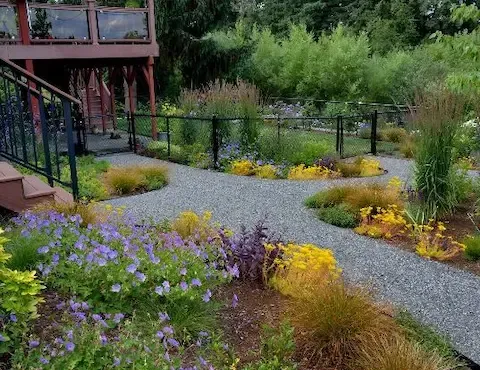
Olde Towne Suffolk Garden Design Inspiration Ideas
Olde Towne Suffolk carries a character that most neighborhoods simply cannot manufacture. The historic district along Main Street and the surrounding blocks preserves architecture dating back to the eighteenth and nineteenth centuries, and the yards surrounding those homes deserve outdoor spaces that honor that same spirit. Whether you own a Victorian-era residence near the Nansemond River waterfront or a Colonial Revival home tucked behind mature live oaks, thoughtful garden design here means working with history rather than against it. The choices you make about plants, pathways, structure, and materials send a message about how much care you bring to this remarkable corner of Hampton Roads.
Why Historic District Properties Call for a Different Design Approach
Standard suburban landscaping — ornamental grasses flanking a concrete walkway, a ring of mulch around a Bradford pear — looks mismatched next to Olde Towne's Federal and Italianate facades. Period-appropriate design does not mean rigidly recreating a museum garden, but it does mean paying attention to scale, plant palette, and structural elements that feel native to the era. Homes with two-story porches and detailed millwork are framed best by layered planting beds with strong vertical elements, defined garden rooms, and hardscape materials that echo the brick and ironwork already present on the block.
Olde Towne Suffolk is also a designated historic district, so any significant exterior changes benefit from awareness of local preservation guidelines. Before beginning a major redesign, checking with the City of Suffolk's Historic Preservation Commission helps you understand whether fencing styles, hardscape materials, or tree removal near the street require review. Getting that step out of the way early prevents costly backtracking later and shows respect for the neighborhood's collective investment in its appearance.
Plant Choices That Suit the Period and the Climate
One of the most rewarding aspects of designing a garden in Olde Towne Suffolk is that many plants associated with colonial and Victorian American horticulture also perform well in the Hampton Roads climate. The region sits in USDA Zone 8a, and the proximity to the Nansemond River and the Western Branch means humidity is a constant. Plants that thrived in eighteenth and nineteenth century Virginia gardens were largely chosen for their resilience in exactly these conditions.
Boxwood, both American and English varieties, anchors formal beds and defines walkway edges in a way that reads immediately as historic. Crepe myrtles provide summer color and winter silhouette. Oakleaf hydrangeas and gardenias contribute fragrance and texture along foundation lines. For perennial beds, consider daylilies, black-eyed Susans, coneflowers, and phlox — all of which appear in period horticultural records and naturalize willingly in this part of Virginia. Climbing roses trained to a fence or pergola add vertical romance without requiring a full pergola build if budget is a concern. Avoid plants with an aggressively contemporary look — oversized agaves, exotic ornamental grasses in neon colors, or tropical-inspired container arrangements — unless they are clearly contained in a rear courtyard away from the street view.
Hardscape Materials That Complement Historic Architecture
The bones of a garden — its paths, walls, steps, and edging — often communicate period appropriateness more quickly than plants do. In Olde Towne Suffolk, the right hardscape choices reinforce the neighborhood's character while also providing practical durability in a climate that cycles between summer heat and periodic freeze events.
Brick is the most obvious and most reliable choice. Reclaimed brick, when available, brings texture and warmth that new pavers rarely match. Herringbone and running-bond patterns suit formal front gardens, while a simple stretcher pattern works well for secondary paths. Pennsylvania bluestone and local fieldstone are period-consistent alternatives where brick feels too formal. Poured concrete and modern concrete pavers, unless finished with a textured surface that softens their appearance, tend to look anachronistic beside older facades. Gravel paths — particularly pea gravel or crushed oyster shell — offer a low-cost solution with excellent period authenticity and good drainage, which matters in low-lying sections near the waterfront.
Fencing choices carry similar weight. Wooden picket fences with pointed or dog-ear tops feel appropriate for Colonial and Victorian properties. Wrought iron or powder-coated steel fencing suits Italianate and Greek Revival homes and echoes the ironwork that appears on several Olde Towne porches. Chain link and vinyl privacy fencing typically feel out of place along the street-facing elevation, though they may be acceptable in rear yards where visibility from the public right-of-way is limited.
Creating Garden Structure Without Losing the Informal Charm
Some of the most successful Olde Towne gardens balance formal structure with a slightly relaxed planting style. A clipped boxwood border along a brick path creates a strong backbone, but filling the interior beds with loosely arranged perennials and self-seeding annuals softens the overall impression. This approach — formal structure, informal planting — was actually characteristic of many nineteenth century American residential gardens and suits the residential scale of Olde Towne's lots well.
Arbors and trellises placed at garden entry points or along property boundaries provide vertical interest and a sense of transition. A simple wooden arbor draped with a climbing rose or wisteria transforms an ordinary side yard into something that feels intentional and welcoming. Water features, if appropriate to the property size, work well in this district — a simple tiered fountain or a small reflecting pool contained within a formal hedge enclosure references the decorative water features common to Victorian estate gardens without overwhelming a modest city lot.
Working With Mature Trees Already on the Property
Many Olde Towne Suffolk lots carry mature oaks, pecans, and magnolias that are as much a part of the property's character as the house itself. Designing around these trees rather than removing them almost always produces a better result. Shade gardens beneath large oaks can be planted with native ferns, hostas, caladiums, and astilbe to create lush understory coverage. Raised beds with proper root protection allow garden areas to be expanded even in zones where surface roots make traditional digging difficult.
If a mature tree shows structural decline, working with a certified arborist before beginning any garden redesign is worthwhile. Removing a damaged tree after new planting is in place disrupts the entire layout and risks damaging new investment. Suffolk's urban forestry program can provide guidance on tree preservation requirements for street trees and heritage specimens within the historic district. For comprehensive guidance on period-sensitive outdoor planning, explore Landscape Design as a starting point for understanding what a full property assessment involves. You may also find useful context in our modern design trends post, which covers how contemporary approaches can be selectively applied even in traditional settings.
A Garden Worth Protecting
Olde Towne Suffolk is one of the most architecturally significant neighborhoods in Hampton Roads, and the gardens surrounding its historic homes deserve the same level of attention given to maintaining the buildings themselves. Period-appropriate plant choices, honest materials, and thoughtful structure create outdoor spaces that genuinely belong to their setting. The investment you make in a well-designed historic garden adds lasting value — not just to your own property, but to the collective appearance of a neighborhood that Suffolk residents and visitors have treasured for generations.
