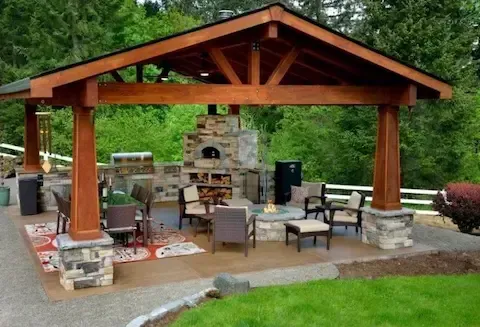
Outdoor Living Spaces Suffolk VA: Design and Build Guide
Creating exceptional outdoor living spaces in Suffolk VA requires understanding the unique characteristics of Hampton Roads' climate, soil conditions, and architectural styles. Your backyard can become a year-round extension of your home with proper planning, quality materials, and thoughtful design that complements Suffolk's coastal Virginia environment.
Planning Your Suffolk Outdoor Living Space
The foundation of any successful outdoor living project begins with comprehensive planning that considers your property's specific conditions. Suffolk's varied topography, from waterfront properties along the Nansemond River to inland neighborhoods, presents unique opportunities and challenges for outdoor design.
Start by evaluating your existing landscape and identifying natural features worth preserving or enhancing. Consider how prevailing winds from the southeast affect your property, particularly during summer months when cooling breezes can make outdoor spaces more comfortable. The relationship between your home's architecture and the proposed outdoor living area should create seamless indoor-outdoor flow.
Functionality requirements drive design decisions more than aesthetic preferences alone. Think about how you'll use the space throughout different seasons and times of day. Suffolk's mild winters allow for year-round outdoor enjoyment when spaces include weather protection and heating elements.
Property boundaries, utility lines, and local building codes all influence design possibilities. Suffolk County requires permits for certain structures, so early consultation with building officials prevents costly redesigns later in the process.
Essential Elements for Hampton Roads Outdoor Living
Successful outdoor living spaces in Suffolk incorporate multiple functional zones that work together harmoniously. The cooking and dining area forms the social heart of most outdoor rooms, requiring adequate space for both food preparation and comfortable seating.
Fire features extend usability into cooler months and create natural gathering spots. Options range from simple fire bowls to elaborate outdoor fireplaces with built-in seating walls. Consider Suffolk's seasonal wind patterns when positioning fire features to ensure smoke doesn't drift toward seating areas or neighboring properties.
Weather protection becomes crucial in Hampton Roads' variable climate. Pergolas, pavilions, and retractable awnings provide shade during hot summers and shelter during sudden rain showers common in our coastal region. These structures also define outdoor rooms and create intimate spaces within larger yards.
Water features add tranquil sounds that mask traffic noise from nearby roads like Route 58 or Portsmouth Boulevard. Fountains, ponds, and waterfalls also help cool surrounding air through evaporation, particularly beneficial during humid Suffolk summers.
Storage solutions keep outdoor furniture cushions, grilling accessories, and pool equipment protected while maintaining the space's aesthetic appeal. Built-in storage benches and weatherproof cabinets eliminate clutter that detracts from the outdoor room's ambiance.
Material Selection for Coastal Virginia Conditions
Suffolk's proximity to the Chesapeake Bay creates specific environmental challenges that influence material choices. High humidity, salt air exposure in waterfront areas, and frequent temperature fluctuations require materials capable of withstanding these conditions without excessive maintenance.
Natural stone performs exceptionally well in our climate, with options like granite, flagstone, and slate offering durability and timeless appeal. These materials resist moisture damage and require minimal upkeep beyond periodic cleaning and sealing.
Composite decking materials provide wood's appearance without the maintenance requirements of traditional lumber. Quality composite products resist fading, staining, and insect damage while maintaining their appearance through Hampton Roads' weather extremes.
For metal components, powder-coated aluminum and stainless steel hardware prevent corrosion that quickly degrades lesser materials in our humid environment. Avoid untreated steel or iron elements that will rust and stain surrounding surfaces.
When wood elements are necessary, choose naturally rot-resistant species like cedar, teak, or pressure-treated lumber rated for ground contact. Proper finishing and regular maintenance extend wood's lifespan significantly in our challenging climate.
Fabric selections for cushions, umbrellas, and shade structures should prioritize solution-dyed acrylics that resist fading and mildew. These synthetic materials outperform natural fibers in our humid conditions while maintaining comfort and appearance.
Design Styles That Complement Suffolk Architecture
Suffolk's diverse architectural heritage, from colonial farmhouses to contemporary waterfront homes, influences appropriate outdoor design approaches. Traditional styles emphasizing symmetry, natural materials, and formal plantings complement historic neighborhoods while contemporary designs suit modern developments.
Colonial-inspired outdoor spaces feature brick or stone patios, boxwood hedging, and classical architectural elements like columns and pediments. These designs create timeless appeal that enhances property values in established Suffolk neighborhoods.
Coastal casual styles incorporate weathered woods, natural stone, and relaxed furnishing arrangements that reflect our maritime environment. This approach works particularly well for waterfront properties or homes with water views.
Contemporary designs emphasize clean lines, minimal ornamentation, and innovative materials like concrete pavers or steel accents. These spaces often incorporate modern conveniences like outdoor kitchens with professional-grade appliances and integrated sound systems.
Transitional designs blend traditional and contemporary elements, creating spaces that feel both timeless and current. This approach offers flexibility for homeowners who appreciate classic design principles but want modern functionality.
Climate Considerations and Seasonal Adaptability
Hampton Roads' four-season climate requires outdoor spaces designed for year-round enjoyment. Summer's heat and humidity demand adequate shade and ventilation, while winter's mild temperatures allow continued outdoor activities with proper heating.
Deciduous trees provide summer shade while allowing warming winter sun to reach seating areas. Strategic placement of these natural air conditioners can reduce cooling costs for adjacent indoor spaces while creating comfortable outdoor microclimates.
Drainage becomes critical during heavy spring rains and potential tropical weather events. Proper grading, adequate drainage systems, and permeable paving materials prevent water accumulation that damages hardscapes and creates mosquito breeding grounds.
Wind protection from northwestern winter winds and cooling southeastern summer breezes requires different approaches. Structural elements like pergolas and screens can redirect beneficial breezes while blocking harsh winds.
Heating options extend the outdoor season significantly. Gas or electric heaters, fire pits, and outdoor fireplaces make cool evenings comfortable for outdoor dining and entertaining. Consider fuel sources and installation requirements when selecting heating elements.
Budget Planning and Investment Priorities
Outdoor living space projects in Suffolk typically range from modest patio installations to elaborate outdoor room complexes. Establishing realistic budgets early in the planning process helps prioritize features and select appropriate materials.
Foundation elements like grading, drainage, and basic hardscaping represent the most critical investments. These infrastructure components affect long-term functionality and should not be compromised to accommodate decorative features.
Phased construction approaches allow homeowners to spread costs over multiple seasons while ensuring each phase creates a functional outdoor space. Start with essential elements like seating areas and basic weather protection, then add features like outdoor kitchens or water elements in subsequent phases.
Quality materials and professional installation typically provide better long-term value than budget alternatives requiring frequent replacement or repair. Consider lifecycle costs when comparing options, particularly for structural elements and major appliances.
Professional design services often save money by preventing costly mistakes and ensuring efficient use of available space. Experienced designers understand local conditions and can recommend solutions that perform well in Suffolk's specific environment.
Common Planning Mistakes to Avoid
Inadequate space planning creates outdoor areas that feel cramped or dysfunctional. Allow sufficient room for furniture, circulation, and activities while maintaining appropriate scale relative to your home and property size.
Ignoring drainage requirements leads to standing water problems that damage hardscapes and create unusable areas during wet periods. Professional grading and drainage design prevents these issues and protects your investment.
Selecting inappropriate materials for our climate results in premature failure and excessive maintenance requirements. Research material performance in humid, coastal environments before making final selections.
Failing to consider utility locations during planning can necessitate expensive relocations or limit design options. Identify all underground utilities before beginning design work to avoid conflicts.
Overlooking permits and code requirements can result in forced modifications or removal of completed work. Consult with Suffolk building officials early in the planning process to ensure compliance.
Professional Installation vs. DIY Considerations
Complex projects involving electrical work, gas lines, or structural elements require professional installation to ensure safety and code compliance. Suffolk County requires licensed contractors for many outdoor living components, particularly those involving permanent utilities.
Proper excavation and grading require specialized equipment and expertise to achieve lasting results. Poor foundation work leads to settling, cracking, and premature failure of expensive hardscape materials.
Professional installers understand local soil conditions, drainage patterns, and construction techniques that perform well in our climate. This knowledge prevents common problems that plague DIY installations.
Warranty protection covers both materials and installation when professionals complete the work. This coverage provides peace of mind and protection for significant investments in outdoor living improvements.
For more comprehensive property care, consider our Suffolk lawn care guide to maintain the landscaping that surrounds your new outdoor living space. Professional Outdoor Living Spaces create lasting value and enjoyment when properly planned and executed with attention to Suffolk's unique coastal Virginia conditions.
