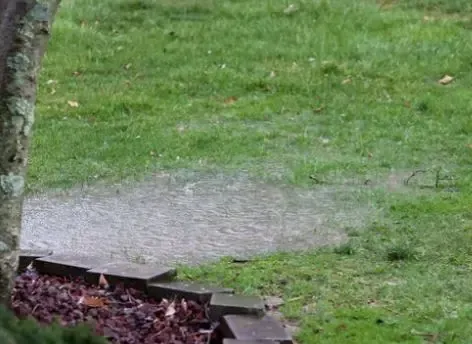
Spring Yard Drainage Prep for Suffolk VA Properties
Spring arrives quickly in Suffolk, and so does the rain. Before the heavy storm season takes hold across Hampton Roads, the window to inspect and prepare your yard's drainage system is short. Properties throughout Suffolk — from the older neighborhoods near downtown to the newer developments off Route 58 — share a common challenge: flat terrain that holds water when drainage isn't working properly. A few hours of preparation before the ground saturates can save you from flooded landscaping, eroded beds, and water intrusion near your foundation.
Why Spring Is the Right Time for Drainage Prep
Winter conditions do quiet damage to drainage infrastructure. Freeze-thaw cycles shift soil, sediment migrates into inlets, and plant debris from fall accumulates in channels and basins over the cold months. By the time March arrives, most systems have accumulated enough debris and minor displacement to reduce their effectiveness noticeably. Starting spring with a full drainage check means you're working proactively rather than responding to problems after the first significant storm rolls in from the coast.
Suffolk's coastal Virginia location also means storm systems are not a small concern. The area regularly receives tropical moisture from late spring through fall, and even pre-hurricane rainfall events can dump several inches within a short window. A drainage system in poor condition simply cannot move that volume of water fast enough to prevent damage.
Grading Checks Around the Foundation and Landscape Beds
Grading is the first thing to assess each spring. Walk the perimeter of your home and any outbuildings, paying close attention to how the soil slopes relative to the structure. Properly graded ground should slope away from the foundation at a rate of roughly one inch per foot for the first six feet. If the ground has settled, shifted, or eroded toward the structure over winter, surface water will move toward your foundation during heavy rain rather than away from it.
Pay attention to landscape beds as well. Mulch that has compacted or shifted can create low spots where water pools against bed borders or drips toward walkways and hardscaping. Refreshing grades in these areas is a straightforward task but it makes a meaningful difference when rain totals are high. If your property sits on clay-heavy soil — common across much of Suffolk and Isle of Wight County — even small grading deficiencies become significant problems during wet periods because the ground cannot absorb water at a useful rate.
Clearing Inlets, Outlets, and Surface Drains
Surface drains, channel drains, and catch basins are only as functional as their ability to accept and move water. Leaves, twigs, sediment, and root intrusion can all partially or fully block these components. A blocked inlet means surface water has nowhere to go, so it spreads across the lawn or pools against structures.
Spring cleaning for these systems should include:
- Removing debris from all grate surfaces and inlet boxes
- Flushing downspout connections to confirm water is moving through freely
- Checking pipe outlets at the street or at daylight points to confirm outflow is unobstructed
- Inspecting for any visible pipe displacement or separation at joints
- Noting any areas where the ground has softened or sunk along the path of underground drainage lines, which may indicate a pipe failure beneath the surface
If your property drains toward a roadside ditch or a natural swale, check that those features are also clear. Suffolk's ditchwork drainage infrastructure requires coordination between homeowners and the city, but keeping the connection between your property and the public system open is your responsibility up to the property line.
Basin and Swale Inspection
Retention and detention basins found on larger properties and in many Suffolk neighborhoods need spring attention as well. Over winter, these features collect debris, develop vegetation intrusion, and sometimes accumulate sediment that reduces their holding capacity. A swale that has been colonized by dense grass or volunteer vegetation may no longer move water efficiently toward its outlet.
For residential swales, spring is a good time to reestablish the correct cross-section by removing excess growth from the channel bottom. This doesn't mean stripping swales bare — appropriate vegetation in a swale helps stabilize the soil and filter runoff — but it does mean keeping the flow path clear and consistent in depth. If you've noticed standing water in your swale for more than 48 hours after rain in past seasons, that's a sign the outlet may be restricted or the swale bottom has flattened and lost its intended slope.
Downspout Routing and Discharge Points
Gutters and downspouts concentrate enormous volumes of water from your roof into a single discharge point. If that discharge point deposits water directly against your foundation, against a neighbor's fence line, or into a low area with no path to exit, it becomes a problem. Spring is a good time to review where every downspout on your home terminates and whether the current routing still makes sense.
Extensions, underground connections, and splash blocks all play a role in controlling where roof runoff goes once it leaves the gutter system. If you're adding a new downspout connection underground this spring, ensure it ties into a legal outlet — typically a daylight pipe at the street, a basin, or a defined swale — rather than simply terminating somewhere beneath your lawn where it can contribute to soil saturation.
For a more complete picture of how these systems connect across Suffolk properties, our our Suffolk drainage breakdown covers the regional context in more detail.
When to Bring in a Professional
Some spring drainage prep is within reach for most homeowners — clearing debris, refreshing mulch grades, and flushing downspout lines don't require specialized equipment. But when you're looking at grading corrections that require soil movement, pipe repairs or replacements, basin regrading, or new drainage infrastructure, the work is better handled by someone with the right tools and knowledge of local drainage patterns.
Suffolk properties vary considerably in their drainage challenges. A property backing up to a natural wetland buffer behaves differently than one in a newer subdivision with engineered stormwater management. Understanding what your property actually needs — rather than applying a one-size solution — is where professional assessment adds real value.
If you're ready to take drainage preparation seriously before the storms arrive, Drainage Solutions from Coastal Virginia Landscape & Design can help you work through a full site assessment and put the right plan in place before the season demands it.
