Drainage Solutions Suffolk VA: Yard Flooding Guide
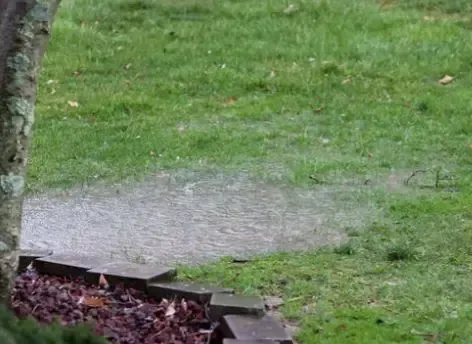
Excess water pooling in your Suffolk yard can transform your outdoor space from a source of pride into a persistent headache. Whether you're dealing with standing water after every rainstorm or soggy areas that never seem to dry, understanding proper drainage solutions is essential for maintaining a healthy, functional landscape in Hampton Roads' unique coastal environment.
Understanding Suffolk's Drainage Challenges
Suffolk's location in the Nansemond River basin creates specific water management challenges that homeowners throughout the area face regularly. The region's clay-heavy soils, combined with frequent precipitation and relatively flat topography, mean that water often has nowhere to go but up into your yard spaces.
Clay soil, which dominates much of Suffolk's landscape, acts like a natural barrier to water infiltration. When rainwater hits these dense soils, it moves laterally rather than penetrating downward, creating surface runoff that pools in low-lying areas of your property. This geological reality means that even moderate rainfall can overwhelm your yard's natural drainage capacity.
The coastal influence adds another layer of complexity. High humidity levels keep soil moisture elevated for extended periods, while seasonal storms can dump several inches of rain in short timeframes. These conditions require drainage solutions specifically designed for Suffolk's environmental characteristics.
Proper drainage becomes even more critical when you consider how standing water affects your landscape investment. Waterlogged soil suffocates plant roots, creates ideal conditions for fungal diseases, and can undermine hardscape installations like patios and retaining walls.
French Drain Systems for Suffolk Properties
French drains represent one of the most effective long-term drainage solutions for Suffolk homeowners dealing with persistent water issues. These subsurface systems work by creating a pathway for water to flow away from problem areas through a perforated pipe surrounded by graded gravel.
The installation process begins with excavating a trench that slopes away from the affected area at approximately one percent grade. This gentle slope ensures consistent water flow without creating erosion issues. The trench depth typically ranges from 18 to 24 inches, depending on your specific drainage needs and soil conditions.
Proper French drain construction requires careful attention to material selection. The perforated pipe should be surrounded by clean gravel or crushed stone, not river rock or mixed aggregates. Filter fabric wraps the entire gravel bed to prevent soil infiltration while allowing water to pass through freely.
For Suffolk properties, French drains work particularly well when directed toward natural drainage areas or connected to dry wells where direct discharge isn't feasible. The system can handle both surface runoff and subsurface groundwater, making it versatile for various yard drainage scenarios.
Consider integrating Drainage Solutions that complement your overall landscape design. French drains can be disguised with decorative elements or incorporated into existing garden beds without disrupting your yard's aesthetic appeal.
Surface Drainage and Grading Solutions
Sometimes the most effective drainage solution involves reshaping your landscape to work with natural water flow patterns rather than against them. Strategic grading and surface drainage modifications can resolve many water issues without extensive excavation or complex installations.
Proper grading ensures that water flows away from your home's foundation and toward designated drainage areas. The ideal slope moves water at a rate that prevents erosion while maintaining effective runoff. For most Suffolk properties, a slope of two percent works well for directing water without creating maintenance issues.
Swales and bioretention areas represent attractive alternatives to traditional drainage approaches. These landscape features use natural depressions and specially selected plants to capture, filter, and gradually release stormwater. Native plants like Virginia iris, cardinal flower, and blue flag iris thrive in these conditions while providing year-round visual interest.
Surface drainage improvements often involve creating defined pathways for water movement. This might include installing channel drains in hardscaped areas, constructing shallow swales along property boundaries, or modifying existing landscape features to better handle water flow.
The key to successful surface drainage lies in understanding your property's natural water patterns. Observe how water moves during different types of rainfall events, noting where it collects and where it naturally flows. This information guides the most effective placement of drainage improvements.
Dry Wells and Underground Storage
Dry wells offer an excellent solution for Suffolk properties where directing water off-site isn't practical or permissible. These underground structures collect and temporarily store stormwater, allowing it to gradually infiltrate into the surrounding soil over time.
A properly sized dry well can handle significant water volumes while remaining completely invisible in your finished landscape. The system consists of a excavated pit filled with graded stone and topped with permeable material that allows surface water to enter while keeping soil and debris out.
Installation begins with determining the appropriate size based on your drainage area and expected water volumes. Suffolk's clay soils require larger dry wells than areas with more permeable soils, since the infiltration rate is slower. Professional assessment ensures proper sizing and placement for optimal performance.
Dry wells work particularly well in conjunction with other drainage solutions. You might direct water from French drains, downspouts, or surface collection areas into a centralized dry well system. This approach provides comprehensive water management while minimizing the impact on your usable yard space.
Regular maintenance keeps dry wells functioning effectively. Annual inspection and occasional cleaning prevent sediment buildup that could reduce infiltration rates. Properly installed and maintained dry wells can provide decades of reliable drainage service.
Integration with Existing Landscape Features
Effective drainage solutions should enhance rather than compromise your landscape design. Many drainage installations can be integrated seamlessly with existing features or planned landscape improvements.
Garden beds provide natural locations for bioswales and rain gardens that handle drainage while adding beauty to your property. Strategic plant selection ensures these areas remain attractive during both wet and dry periods. Consider how drainage improvements might complement our Suffolk hardscape guide recommendations for a cohesive outdoor design.
Common Suffolk Drainage Mistakes
Understanding common drainage errors helps you avoid costly mistakes and ensures your investment provides lasting results. Many homeowners attempt quick fixes that address symptoms rather than underlying causes, leading to recurring problems and wasted resources.
One frequent mistake involves installing drainage systems without proper grading. Simply adding drains to flat areas won't resolve water issues if there's no pathway for water to flow away from the problem zone. Effective drainage requires both collection and conveyance components working together.
Another common error is undersizing drainage systems for Suffolk's storm patterns. Hampton Roads can experience intense rainfall events that overwhelm inadequate drainage infrastructure. Design systems to handle storm events beyond typical daily precipitation for reliable long-term performance.
Material selection mistakes can undermine even well-designed systems. Using incorrect pipe types, inadequate gravel grades, or omitting filter fabric can lead to system failure within a few years. Professional installation ensures appropriate materials and construction techniques for your specific soil conditions.
Failing to consider seasonal variations in the water table can also create problems. Suffolk's proximity to the Chesapeake Bay means groundwater levels fluctuate throughout the year. Drainage systems must account for these variations to function effectively during different seasons.
Seasonal Maintenance and Long-term Care
Proper maintenance extends the life and effectiveness of your drainage investments. Suffolk's climate and vegetation patterns create specific maintenance requirements that vary throughout the year.
Fall maintenance focuses on preventing leaf and debris accumulation in drainage systems. Clean catch basins, inspect surface drains, and remove organic matter that could create blockages during winter months. This preparation ensures systems function properly during peak rainfall seasons.
Spring inspections identify winter damage and prepare systems for the growing season. Check for settled areas around drainage installations, verify pipe connections remain secure, and confirm that surface grades haven't been altered by frost or settling. Address minor issues before they become major problems.
Summer maintenance involves monitoring plant growth around bioretention areas and ensuring vegetation doesn't interfere with water flow patterns. Trim plants as needed and remove any invasive species that might compromise system performance.
Annual professional inspection helps identify issues that aren't visible to homeowners. This might include checking pipe integrity, verifying proper system function, and making recommendations for improvements or repairs.
Professional Installation Considerations
While some drainage improvements can be handled by motivated homeowners, complex systems require professional expertise to ensure proper design and installation. Suffolk's unique soil conditions and local regulations add layers of complexity that experienced contractors navigate more effectively.
Professional drainage contractors understand local permitting requirements and can ensure your improvements comply with Suffolk's stormwater management regulations. They also have access to specialized equipment and materials that might not be available to homeowners.
The investment in professional installation often pays for itself through improved system performance and longevity. Properly installed drainage systems provide decades of reliable service, while DIY attempts sometimes require costly repairs or complete reinstallation within a few years.
When selecting a contractor, look for specific experience with Suffolk area properties and familiarity with local soil conditions. Request references from recent projects and verify proper licensing and insurance coverage.
Cost-Effective Drainage Planning
Effective drainage solutions don't always require the most expensive approaches. Understanding your options helps you make informed decisions that balance cost, effectiveness, and long-term value.
Phased implementation allows you to address the most critical drainage issues first while planning for future improvements. This approach spreads costs over time and lets you evaluate system performance before expanding or modifying your drainage infrastructure.
Consider how drainage improvements might serve multiple functions. Bioswales provide drainage benefits while adding landscape beauty. Permeable paving materials handle surface runoff while creating functional outdoor spaces. These dual-purpose solutions often provide better value than single-function installations.
Regular maintenance represents a small investment that protects much larger drainage system investments. Preventive care extends system life and maintains optimal performance, avoiding costly repairs or premature replacement.
