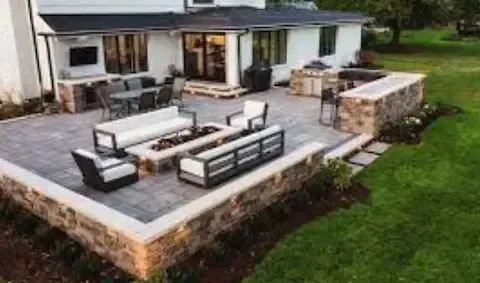
Hardscaping Suffolk VA: Complete Patio and Paver Guide
Hardscaping transforms your Suffolk property into a functional outdoor living space that withstands the unique challenges of coastal Virginia weather. From elegant paver patios to sturdy retaining walls, hardscaping projects require careful planning and execution to handle the area's clay soil, seasonal flooding, and humid subtropical climate.
Understanding Suffolk's Hardscaping Landscape
Suffolk's location in the Hampton Roads region presents specific considerations for hardscaping projects. The city's expansive rural areas and waterfront communities create diverse installation environments, from the historic downtown district to the sprawling neighborhoods near Bennett's Creek. Your hardscaping project must account for Suffolk's clay-heavy soil composition, which expands and contracts with moisture changes, potentially affecting paver stability and drainage systems.
The area's proximity to the Nansemond River and numerous tributaries means proper water management becomes crucial for any hardscape installation. Projects in low-lying areas near the Great Dismal Swamp require additional drainage considerations, while properties in Suffolk's higher elevation neighborhoods may face different soil compaction challenges.
Local building codes in Suffolk require permits for certain hardscaping projects, particularly retaining walls over three feet in height and patios exceeding specific square footage thresholds. Understanding these regulations before beginning your project prevents costly delays and ensures compliance with city requirements.
Essential Hardscaping Materials for Coastal Virginia
Material selection significantly impacts your hardscaping project's longevity and performance in Suffolk's climate. Concrete pavers offer excellent durability against freeze-thaw cycles, though Suffolk experiences fewer severe freezing events than northern Virginia. Natural stone options like Virginia fieldstone provide authentic regional character while handling moisture variations effectively.
Brick pavers complement Suffolk's historic architecture but require careful selection of high-grade materials to prevent moisture absorption and cracking. Clay brick performs well in the region's humidity but needs proper sealing and maintenance to prevent efflorescence and surface deterioration.
For retaining walls, segmental concrete blocks offer versatility and strength for handling Suffolk's expansive soils. Natural stone walls provide timeless appeal but require skilled installation to ensure proper drainage behind the wall structure. Timber retaining walls work well for smaller applications but need pressure-treated lumber rated for ground contact in Virginia's humid environment.
Permeable paver systems deserve special consideration in Suffolk due to stormwater management requirements. These systems help handle heavy rainfall events while reducing runoff into local waterways, supporting environmental conservation efforts in the Chesapeake Bay watershed.
Drainage and Foundation Requirements
Proper drainage forms the foundation of successful hardscaping in Suffolk's challenging soil conditions. Clay soils retain moisture longer than sandy soils, creating hydrostatic pressure that can shift pavers and damage retaining walls without adequate drainage systems.
Base preparation typically requires excavation depths of 8-12 inches for patios, depending on soil conditions and intended use. A properly graded stone base, usually consisting of crushed gravel or recycled concrete aggregate, provides stable support while allowing water infiltration. Geotextile fabric between the soil and base prevents mixing while maintaining drainage capacity.
French drain systems become essential for hardscaping projects in Suffolk's lower elevations or areas with poor natural drainage. These systems collect and redirect subsurface water away from hardscape installations, preventing undermining and frost damage. Strategic placement of drainage outlets ensures water flows toward suitable disposal areas without creating problems for neighboring properties.
Surface drainage design must handle Suffolk's intense summer thunderstorms, which can deliver several inches of rainfall in short periods. Proper slope installation, typically 1-2% grade away from structures, prevents water ponding while maintaining comfortable walking surfaces.
Managing Seasonal Water Challenges
Suffolk's seasonal weather patterns create specific drainage challenges throughout the year. Spring brings heavy rainfall that can saturate clay soils, while summer storms produce intense downpours requiring rapid water removal. Fall leaf accumulation can clog drainage systems, and winter freeze-thaw cycles may cause minor ground movement.
Installing adequate edge restraint systems prevents paver movement during seasonal soil changes. Concrete or plastic edge restraints, properly secured with spikes or stakes, maintain paver alignment even when underlying soils expand or contract with moisture variations.
Design Considerations for Suffolk Properties
Successful hardscaping design integrates with Suffolk's diverse architectural styles and natural landscape features. Colonial and traditional home styles benefit from classic brick or natural stone materials that complement existing structures. Contemporary homes allow for more creative material combinations and geometric patterns.
Scale considerations become important on Suffolk's larger residential lots, where hardscape installations must balance functionality with visual proportion. Oversized patios can overwhelm smaller homes, while undersized installations may appear lost on expansive properties common in rural Suffolk areas.
Traffic flow patterns influence design decisions for patios and walkways. Consider how family members and guests will move between different outdoor areas, ensuring logical connections to doors, gardens, and recreational spaces. our Suffolk landscape design guide provides comprehensive planning strategies for integrating hardscaping with overall landscape design.
Privacy considerations matter in Suffolk's mix of rural and suburban neighborhoods. Strategic placement of retaining walls, raised planters, and multi-level patio designs can create intimate outdoor spaces while maintaining good neighbor relationships.
Incorporating Local Character
Suffolk's rich agricultural and maritime history provides inspiration for authentic hardscaping designs. Reclaimed brick from local buildings, when available, creates connections to the area's past while providing excellent durability. Native stone materials harmonize with the regional landscape and require less transportation, reducing environmental impact.
Color selection should complement Suffolk's natural environment, from the deep greens of surrounding forests to the earth tones of agricultural fields. Neutral color palettes typically provide long-term satisfaction and easier integration with changing landscape plantings.
Installation Timing and Weather Considerations
Timing hardscaping installations around Suffolk's weather patterns maximizes success and minimizes complications. Spring and fall provide optimal working conditions with moderate temperatures and lower humidity levels that benefit both materials and installers.
Summer installations face challenges from intense heat and frequent afternoon thunderstorms. High temperatures can affect concrete setting times and make working conditions difficult. However, summer's lower rainfall periods may provide windows of opportunity for projects requiring extended dry conditions.
Winter installations are possible in Suffolk's mild climate but require attention to frost conditions and material behavior in cold temperatures. Some materials, particularly concrete-based products, may require protection from freezing during curing periods.
Soil conditions vary seasonally, with spring typically offering the best excavation conditions after winter moisture has drained but before summer heat hardens clay soils. Fall installations benefit from stable soil conditions and allow projects to settle over winter before heavy spring use.
Cost Factors and Budget Planning
Hardscaping costs in Suffolk reflect both material expenses and site-specific installation challenges. Basic paver patio installations typically range from $15-25 per square foot, while premium materials and complex designs can reach $35-50 per square foot or higher.
Site preparation costs vary significantly based on existing conditions. Properties with good drainage and stable soils require minimal additional work, while areas with poor drainage or problematic soils may need extensive preparation including soil amendments or drainage system installation.
Retaining wall costs depend on height, materials, and soil conditions. Simple segmental block walls typically cost $20-35 per square foot, while natural stone installations or walls requiring extensive drainage systems can exceed $50-75 per square foot.
Transportation costs for materials may be higher in rural Suffolk areas, particularly for specialized or heavy materials requiring special delivery arrangements. Local material suppliers often provide better pricing and service than distant suppliers, making relationship building valuable for project success.
Long-term Investment Value
Quality hardscaping installations provide excellent return on investment through increased property values and enhanced outdoor living capabilities. Professional installation typically includes warranties covering both materials and workmanship, protecting your investment against installation defects.
Maintenance costs remain relatively low for properly installed hardscaping, primarily involving periodic cleaning, joint sand replacement, and minor repairs. Choosing quality materials and professional installation minimizes long-term maintenance requirements and extends system life.
Common Installation Challenges
Suffolk's clay soils present the most common installation challenge, requiring careful moisture management during excavation and base preparation. Working in overly wet or dry conditions can compromise soil compaction and base stability, affecting long-term performance.
Utility line conflicts occur frequently in established neighborhoods where underground services may not be accurately mapped. Professional utility location services become essential before beginning excavation, particularly in older Suffolk neighborhoods where utility records may be incomplete.
Drainage complications often emerge during installation when existing site conditions differ from initial assessments. Hidden springs, seasonal water tables, or poor soil drainage may require design modifications and additional drainage infrastructure.
Access limitations can complicate material delivery and equipment operation, particularly in Suffolk's rural areas or established neighborhoods with narrow streets and mature landscaping. Planning material staging areas and equipment access routes prevents project delays and additional costs.
Professional Installation Benefits
Professional Hardscaping installation provides expertise in handling Suffolk's specific site conditions and local building requirements. Experienced installers understand clay soil behavior, proper drainage techniques, and material performance in coastal Virginia's climate.
Professional contractors carry appropriate insurance and licensing required for Suffolk installations, protecting property owners from liability issues. They also maintain relationships with local suppliers and understand permit requirements, streamlining the installation process.
Quality professional installation typically includes comprehensive warranties covering both materials and workmanship. This protection provides peace of mind and ensures problems are addressed promptly without additional costs to property owners.
Equipment access and specialized tools available to professional installers ensure proper compaction, accurate grading, and efficient installation. These resources often make the difference between adequate and exceptional installation quality.
Selecting the Right Contractor
Researching potential contractors should include verification of licensing, insurance, and references from recent Suffolk projects. Local contractors familiar with area conditions typically provide better service and understand specific challenges of working in Hampton Roads region.
Request detailed written proposals including material specifications, installation methods, and warranty terms. Compare not just pricing but also project scope and quality standards to ensure you receive appropriate value for your investment.
Your hardscaping investment transforms outdoor spaces while adding lasting value to your Suffolk property. Proper planning, quality materials, and professional installation ensure your hardscape installation performs beautifully for decades while handling the unique challenges of coastal Virginia's environment.
