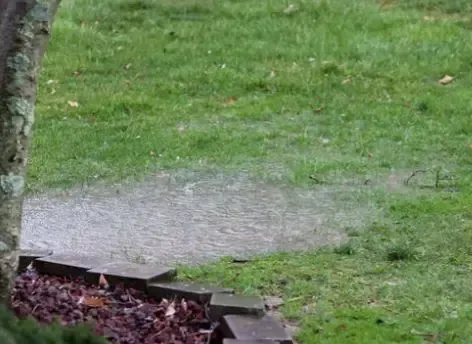
How to Solve Backyard Drainage Issues in Suffolk VA
Start by identifying where water pools after rain, then check your yard's slope and soil composition. Most Suffolk VA backyard drainage issues stem from clay-heavy coastal soil that doesn't absorb water quickly, combined with insufficient grading that allows water to collect rather than flow away from your home.
Step 1: Assess Your Current Drainage Problems
Walk your yard during and after heavy rain to identify problem areas. Look for standing water, soggy patches that remain wet for days, and areas where water flows toward your foundation. In Suffolk's coastal environment, clay soil beneath the surface often creates impermeable layers that trap water. Take photos of problem spots and note how long water remains in each area. Pay special attention to areas near your home's foundation, as these pose the greatest risk for basement flooding or structural issues.
Step 2: Evaluate Your Yard's Natural Slope
Proper drainage requires a minimum 2% slope away from your home - that's about 2 inches of drop per 10 feet. Use a string line and level to check grades around your property. Many Suffolk homes built on relatively flat coastal plains lack adequate natural slope. If you discover areas that slope toward your house or remain completely flat, you'll need to regrade these sections. Mark these areas with spray paint for easier identification during the correction phase.
Step 3: Install French Drains for Problem Areas
French drains work exceptionally well in Suffolk's clay-based soil conditions. Dig trenches 18-24 inches deep in your marked problem areas, sloping them toward a suitable drainage outlet like a storm drain or lower area of your property. Line trenches with landscape fabric, add 3-4 inches of graded gravel, place perforated drain pipe with holes facing down, then cover with more gravel before replacing soil and sod. Drainage Solutions can be particularly effective when combined with proper surface grading.
Step 4: Improve Soil Drainage Through Amendments
Suffolk's heavy clay soil benefits significantly from organic matter additions. Work compost, aged manure, or sand into problem areas to improve soil structure and water infiltration. Create raised planting beds in chronically wet areas, filling them with well-draining soil mix. This approach works well for areas where installing underground drainage isn't practical. Avoid walking on wet clay soil during this process, as foot traffic compacts it further and worsens drainage problems.
Step 5: Redirect Downspouts and Surface Water
Extend downspouts at least 6 feet from your foundation, directing water toward areas that drain well. Install splash blocks or underground extensions to carry roof runoff away from problem zones. Consider adding rain gardens or bioswales in lower areas of your yard to capture and slowly infiltrate surface runoff. These natural solutions work particularly well in Hampton Roads' coastal climate, handling both regular rainfall and occasional storm surge conditions.
Step 6: Create Swales and Berms for Water Management
Build shallow depressions (swales) to channel water away from problem areas and toward appropriate drainage outlets. Complement these with low berms that redirect flow patterns across your yard. Plant these features with water-tolerant native plants that thrive in Suffolk's climate. Swales should have gentle 3:1 side slopes and connect to existing drainage infrastructure or natural low-lying areas where water can safely discharge without affecting neighboring properties.
Step 7: Monitor and Maintain Your Drainage System
Test your improvements during the next several rain events, noting any remaining problem areas that need additional work. Clean gutters and downspouts regularly, especially during fall when leaves can create blockages. Inspect French drain outlets periodically to ensure they remain clear of debris. For comprehensive drainage analysis specific to your Suffolk property's unique challenges, reference our Suffolk drainage breakdown which covers local soil conditions and municipal drainage requirements in greater detail.
